
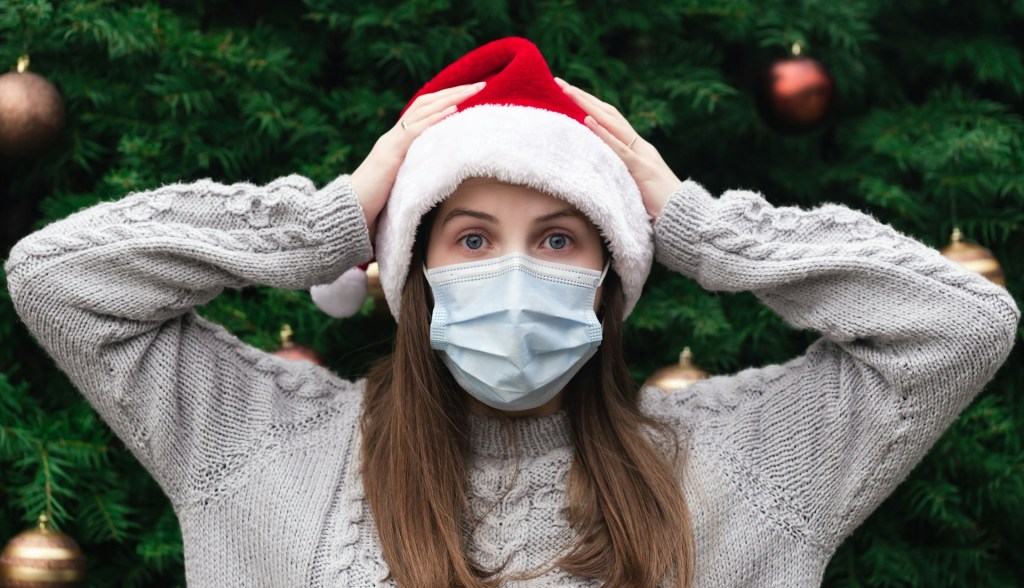
It’s that time of year again when the cold starts creeping in, people huddle up indoors, and illness begins to fester. No one likes being sick in general, let alone during the holiday season! So here are some of the reasons why people and especially students tend to get sick just before, during, or after the break along with some tips and tricks to keep you and other students healthy before the winter break.
In 2015, Yale University completed a study that confirmed what people had presumed for decades– that individuals facing cool-weather conditions were more likely to get colds. Essentially, the cilia within the respiratory tract simply don’t function as well in cold, dry air that is commonly experienced in autumn and winter months.
These cold temperatures then force people indoors where germs get swapped back and forth from existing in the same enclosed environment or touching things like elevators, washing machines, gym equipment, doorhandles, etc, but most people already know about that.
However, it’s not just the cold temperatures that weaken the immune systems. It’s midterms and finals, too! Well, kind of.
It’s no secret that tests and schoolwork can cause burnout among students, but did you know that burnout also weakens your immune system?
A study conducted by the NIH in 2021 revealed that those who experienced job burnout were more likely to have weakened immune systems. The results showed that prolonged stress led to heightened cortisol levels. Though this initially strengthens immunity, if the high levels of cortisol remain constant, the body becomes more resistant, thus eventually weakening the immune system instead.
In addition to this, stress has been proven to weaken antibodies and lower white blood cells within the body, thus making it harder to fight off infection.
Academic stress doesn’t just lower the immune system directly, however. High levels of stress accompanied with nearing deadlines many students end up lacking sleep before the holidays, which experts say is another threat to health.
“Sleep exerts an immune-supportive function, promoting host defense against infection and inflammatory insults,” says the NIH.
“Sleep deprivation has been associated with alterations of innate and adaptive immune parameters, leading to a chronic inflammatory state and an increased risk for infectious/inflammatory pathologies, including cardiometabolic, neoplastic, autoimmune and neurodegenerative diseases.”
As if that isn’t enough, diet also plays a role in keeping the body healthy, and university students aren’t exactly known to have great diets. Whether it be lack of appetite due to stress, financial issues that make eating healthier more difficult, or lack of nutrition knowledge, students simply aren’t getting the nutrition they need in order to maintain their immune systems.
So what can students do to prevent getting sick before the break?
Some of the more well-known tips to avoid getting sick are frequently washing your hands, distancing yourself from sick friends or family, or even wearing a face mask in more condensed areas.
However, it may also be in students best interests to take breaks from studying, maintain a good sleep schedule, take vitamin supplements, and sparing the time and money to cook a proper meal a few times a week.
Though these tips may keep you healthy before and during the holiday season, it’s important to remember that upon coming back from the break you may be exposed to even more sickness, and here’s why.
When people return to their friends and families, they are exposed to potential germs that their friends and families have been exposed to by living their own lives. Those friends and family interact with more people who have friends and family of their own, and so on and so forth. In the end, sickness travels with people, meaning students may well bring even more germs onto campus than before the break even occurred– and that’s before the dangers of air travel are brought up.
The University of Hertfordshire is proud to educate those from all around the world. According to their own webpage, they have a community of 35,000 students from 110 different countries. Though some students choose to remain in the country or even on campus during winter break, some choose to travel back to their home countries.
This year alone, the NHS has seen higher numbers of flu cases more than triple what they were last year– and they’re a month earlier, too, so it’s important to do your best to prevent the spread of illness.
Though the winter season sometimes makes the campus feel like a walking Petri dish, most illnesses acquired just need a week or two of bed rest in order to get the body recuperated and ready to take on spring allergies. So, sleep well, drink plenty of water, and remember to sneeze into your elbow!
 UH Student News
Leave a comment